


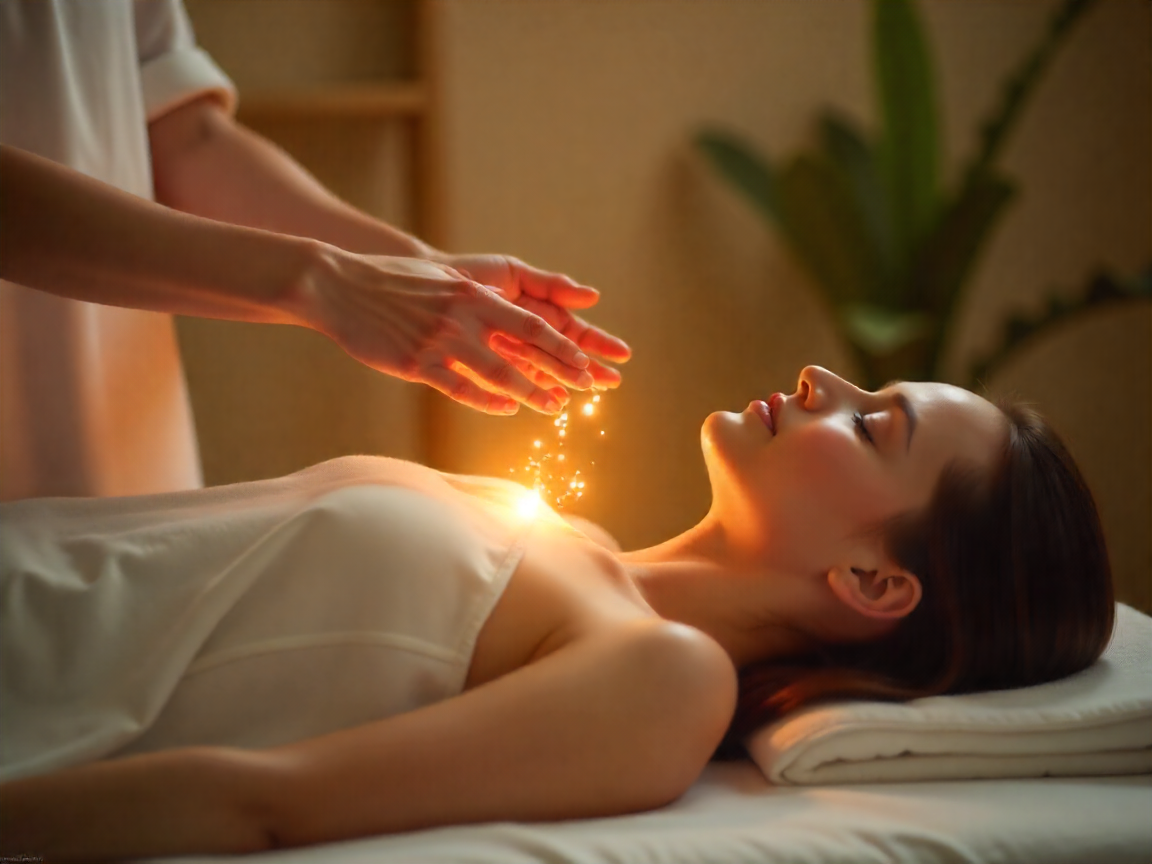
Reiki is one of those practices that often gets lumped in with buzzwords like “mystical healing” or “woo-woo energy stuff.” While it’s true that Reiki deals with energy, many of the assumptions floating around about it are either half-truths or completely off-base. Let’s clear the fog and get to the actual facts.
Misconception 1: Reiki is a Religion
Some people assume Reiki is tied to a religion or requires belief in a specific spiritual system.
The Fact: Reiki is not a religion. It has no dogma, no requirement to subscribe to particular beliefs, and no conflict with any faith. Reiki practitioners and clients come from diverse spiritual and non-spiritual backgrounds. It is simply a healing practice that works with the body’s natural energy.
Misconception 2: Reiki is Just Placebo or “All in the Mind”
It’s easy for skeptics to dismiss Reiki as nothing more than placebo effect or imagination at play.
The Fact: While the placebo effect is a real and fascinating phenomenon, Reiki has been studied and documented to promote relaxation, reduce stress, and support the body’s natural healing processes. Clients often report physical, emotional, and mental shifts after a session—even if they came in skeptical.
Misconception 3: Reiki Healers Give Away Their Own Energy
A common fear is that Reiki practitioners “drain” themselves or transfer their personal energy to clients.
The Fact: Reiki does not involve giving away one’s personal energy. Practitioners act as channels for universal life energy, allowing it to flow where the client needs it. In fact, many practitioners feel energized themselves after a session.
Misconception 4: You Have to Believe in Reiki for It to Work
Some people think that if you don’t believe in Reiki, it won’t do anything for you.
The Fact: Reiki does not rely on belief to function. Whether a client walks in skeptical or fully open, the energy flow is the same. However, being relaxed and receptive can enhance the overall experience.
Misconception 5: Reiki is a Quick Fix for All Problems
A lot of people think one session will magically cure everything—from back pain to heartbreak.
The Fact: Reiki is not a miracle cure. It’s a complementary therapy that supports balance and healing, often used alongside medical treatment. Just like meditation, yoga, or massage, the benefits deepen with consistent practice.
Misconception 6: Reiki is Only for Physical Ailments
Some imagine Reiki is just about easing back pain or headaches.
The Fact: Reiki addresses the whole person—body, mind, emotions, and spirit. People seek Reiki for emotional release, mental clarity, stress relief, spiritual connection, or simply the deep relaxation that allows the body to restore itself naturally.
Final Thought
Reiki may still sound mysterious to those hearing about it for the first time, but at its core, it’s about balance, relaxation, and connection with the body’s innate ability to heal. It’s not about superstition—it’s about tapping into something subtle yet profoundly supportive.